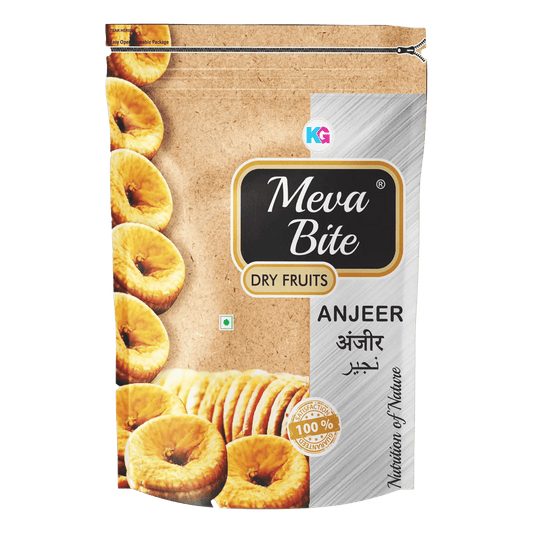

Bone health is a lifelong priority, and nutrition plays a vital role in keeping bones strong. Among dry fruits, anjeer (figs) stands out for its rich supply of calcium, magnesium, and vitamin K- all essential nutrients for bone strength and density. This blog explores whether anjeer is truly good for bones, how much to eat, and the best ways to include it in your diet.
Does eating anjeer (figs) daily really help strengthen bones because of calcium, magnesium, and vitamin K?
Short Answer: Yes, eating anjeer daily supports bone strength due to its calcium, magnesium, and vitamin K content.
Detailed Answer:
- Anjeer contains calcium, which is essential for bone density and preventing fractures.
- Magnesium in anjeer helps regulate calcium absorption and supports bone mineralization.
- Vitamin K plays a role in binding calcium to bones, reducing the risk of osteoporosis.
- Daily consumption of 2–3 figs can contribute meaningfully to bone health when combined with a balanced diet.
- Scientific studies highlight that diets rich in these nutrients reduce bone loss with age.

How much anjeer should I eat to get enough nutrients for bone health without overdoing it?
Short Answer: Eating 2–4 dried figs daily is generally safe and beneficial for bone health.
Detailed Answer:
- Nutritionists recommend 2–4 figs daily to balance nutrient intake without excess calories.
- Each dried fig provides about 15–20 mg of calcium, along with magnesium and vitamin K.
- Excessive intake may lead to high sugar consumption, so moderation is key.
- Pairing figs with other calcium-rich foods enhances overall bone nutrition.
- Consulting a dietitian is advisable for individuals with specific health conditions.
| Serving Size | Calcium (mg) | Magnesium (mg) | Vitamin K (mcg) |
|---|---|---|---|
| 2 dried figs | 30–40 | 10–12 | 2–3 |
| 4 dried figs | 60–80 | 20–24 | 4–6 |
Can anjeer be a natural alternative to supplements for calcium and magnesium in maintaining strong bones?
Short Answer: Anjeer can complement supplements but may not fully replace them for severe deficiencies.
Detailed Answer:
- Anjeer provides natural calcium and magnesium, supporting bone strength without synthetic additives.
- For mild deficiencies, figs can be a wholesome alternative to supplements.
- Severe deficiencies may still require medical supplementation alongside dietary intake.
- Natural sources like anjeer also provide fiber and antioxidants, enhancing overall health.
- Combining figs with other dry fruits ensures a broader nutrient profile for bones.
Is anjeer safe for kids, elderly people, or those with osteoporosis to include in their diet?
Short Answer: Yes, anjeer is safe for kids, elderly, and osteoporosis patients when consumed moderately.
Detailed Answer:
- Children benefit from calcium and magnesium in anjeer for growing bones.
- Elderly individuals gain bone density support, reducing fracture risks.
- Osteoporosis patients can include figs as part of a nutrient-rich diet.
- Moderation is important to avoid excess sugar intake, especially for diabetics.
- Soaked figs are easier to digest for elderly and those with sensitive stomachs.

What are the best ways to eat anjeer - soaked, dried, or mixed in recipes - for maximum bone benefits?
Short Answer: Soaked figs are best for digestion, while dried and recipe-based figs maximize nutrient intake.
Detailed Answer:
- Soaked figs improve digestibility and nutrient absorption, especially for elderly.
- Dried figs retain concentrated nutrients, making them ideal for bone health.
- Adding figs to smoothies, salads, or desserts enhances taste and nutrition.
- Combining figs with milk or yogurt boosts calcium intake synergistically.
- Cooking figs in traditional recipes preserves their nutritional value while adding flavor variety.
Conclusion
Is Anjeer Good for Bones? Absolutely. With calcium, magnesium, and vitamin K, anjeer strengthens bones naturally. Eating 2–4 figs daily, in soaked or dried form, supports bone density for kids, elderly, and osteoporosis patients. While not a complete substitute for supplements, figs are a wholesome, tasty, and effective addition to bone health diets.