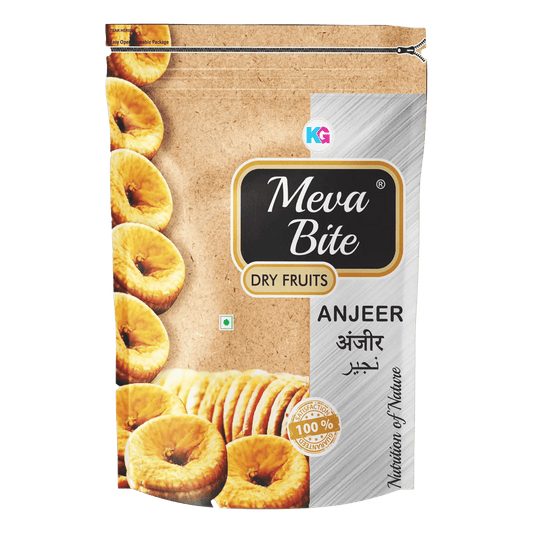

Low haemoglobin is a common issue caused by iron deficiency, poor absorption, or weak digestion. The good news? Certain dry fruits are naturally rich in iron, folate, copper, and vitamin C—nutrients that help your body produce healthy red blood cells. Including the right dry fruits daily can support haemoglobin levels safely and naturally.
Which Dry Fruits Are Best to Increase Haemoglobin?
Short Answer :
Dry fruits like anjeer, dates, raisins, almonds, and pistachios are rich in iron and blood-building nutrients. When eaten regularly in the right quantity, they help improve haemoglobin levels naturally.
1. Anjeer (Dried Figs)
Anjeer is one of the best dry fruits for increasing haemoglobin due to its high iron and fibre content.
Why it helps:
-
Rich in iron that supports red blood cell production
-
Improves digestion, which boosts iron absorption
-
Contains calcium and magnesium for overall blood health
How to consume:
Soak 2–3 anjeers overnight and eat them on an empty stomach in the morning.
2. Dates (Khajoor)
Dates are a natural energy booster and an excellent dry fruit for low haemoglobin.
Benefits:
-
Good source of iron and folate
-
Helps fight fatigue caused by anaemia
-
Supports better oxygen circulation in the body
How to consume:
Eat 2 dates daily or add chopped dates to warm milk.
3. Raisins (Kishmish)
Raisins are small but powerful when it comes to improving haemoglobin.
Why raisins work:
-
Contain iron and copper, both essential for haemoglobin formation
-
Help improve blood flow
-
Gentle on digestion, suitable for daily use
How to consume:
Soak 10–15 raisins overnight and eat them in the morning.
4. Almonds (Badam)
Almonds support haemoglobin indirectly by improving nutrient absorption.
Key benefits:
-
Rich in vitamin E and healthy fats
-
Support better iron absorption
-
Strengthen overall blood health
How to consume:
Soak 4–5 almonds overnight, peel, and eat daily.
5. Pistachios (Pista)
Pistachios are rich in iron, protein, and antioxidants.
Why they’re useful:
-
Help increase haemoglobin levels
-
Improve blood circulation
-
Support heart and muscle health
How to consume:
Eat a small handful daily as a snack.
6. Cashews (Kaju)
Cashews provide iron and copper, which work together to boost haemoglobin.
Benefits:
-
Support red blood cell production
-
Provide quick energy
-
Help reduce weakness linked to low haemoglobin
Tip:
Consume in moderation- 2–3 cashews daily is enough.
Best Time to Eat Dry Fruits for Haemoglobin
Short Answer :
The best time to eat dry fruits for increasing haemoglobin is early morning on an empty stomach or as a mid-morning snack.
Why timing matters:
-
Improves nutrient absorption
-
Reduces digestive issues
-
Enhances iron uptake naturally
How Much Dry Fruits Should You Eat Daily?
Overconsumption can cause sugar spikes or digestive discomfort.
Safe daily quantity:
-
Anjeer: 2–3 pieces
-
Dates: 1–2 pieces
-
Raisins: 10–15 pieces
-
Almonds: 4–5 pieces
-
Pistachios/Cashews: Small handful
Balance is key.
Tips to Improve Iron Absorption from Dry Fruits
-
Pair dry fruits with vitamin C–rich foods (like lemon or orange)
-
Avoid tea or coffee immediately after eating dry fruits
-
Prefer soaked dry fruits for better digestion
-
Maintain consistency, results take time
Are Dry Fruits Enough to Treat Low Haemoglobin?
Short Answer:
Dry fruits help support haemoglobin levels but may not replace medical treatment in severe anaemia.
What you should do:
-
Use dry fruits as a daily dietary support
-
Consult a doctor if haemoglobin is very low
-
Combine diet with medical advice when needed
Final Thoughts
Dry fruits are a natural, tasty, and safe way to support healthy haemoglobin levels. When chosen wisely and eaten regularly, they help improve iron intake, digestion, and overall energy. For best results, include high-quality dry fruits in your daily diet, because better nutrition starts with better ingredients.